Luxury hampers are the modern Click here for more info day gift‑giving equivalent of a velvet‑wrapped treasure chest. They combine artisanal treats, high‑end cosmetics, and sometimes even a splash of champagne into one beautifully presented package. But when you’re curating a hamper that screams “opulence,” how do you keep the environmental impact in check? This article walks you through the practical steps of how to handle sustainability concerns for luxury hampers without sacrificing style or indulgence.
The Luxury Hamper Landscape
What Makes a Hamper “Luxury”
Luxury isn’t just about price tags; it’s about experience. A truly luxurious hamper typically features:
- Hand‑crafted or artisanal products Premium packaging (e.g., velvet lining, gold‑trimmed boxes) A cohesive theme or narrative Personal touches such as handwritten notes
When you combine these elements, the hamper becomes a statement piece, but it can also become a carbon‑heavy gift if sourced and packaged carelessly.
The Allure of the “White‑Glove” Experience
Think of a luxury hamper as a mini‑festival of flavors and textures. It’s the kind of gift that makes the recipient feel like they’ve been whisked away to a boutique spa or a gourmet kitchen. The challenge? Maintaining that sense of indulgence while ensuring the hamper’s life cycle is gentle on the planet.
Why Sustainability Matters
The Environmental Footprint of Luxury Hampers
Ever wondered how much carbon is embedded in a single chocolate truffle or a silk‑lined basket? From the cultivation of cocoa to the manufacturing of decorative packaging, each component adds up. A study by the Sustainable Packaging Coalition found that luxury packaging can increase a product’s carbon footprint by up to 40% compared to standard packaging.
The Human Element
Beyond numbers, sustainability touches the stories of farmers, artisans, and workers who bring those luxury items to life. Ethical sourcing ensures fair wages, safe working conditions, and respect for local cultures—values that resonate with today’s conscientious consumer.
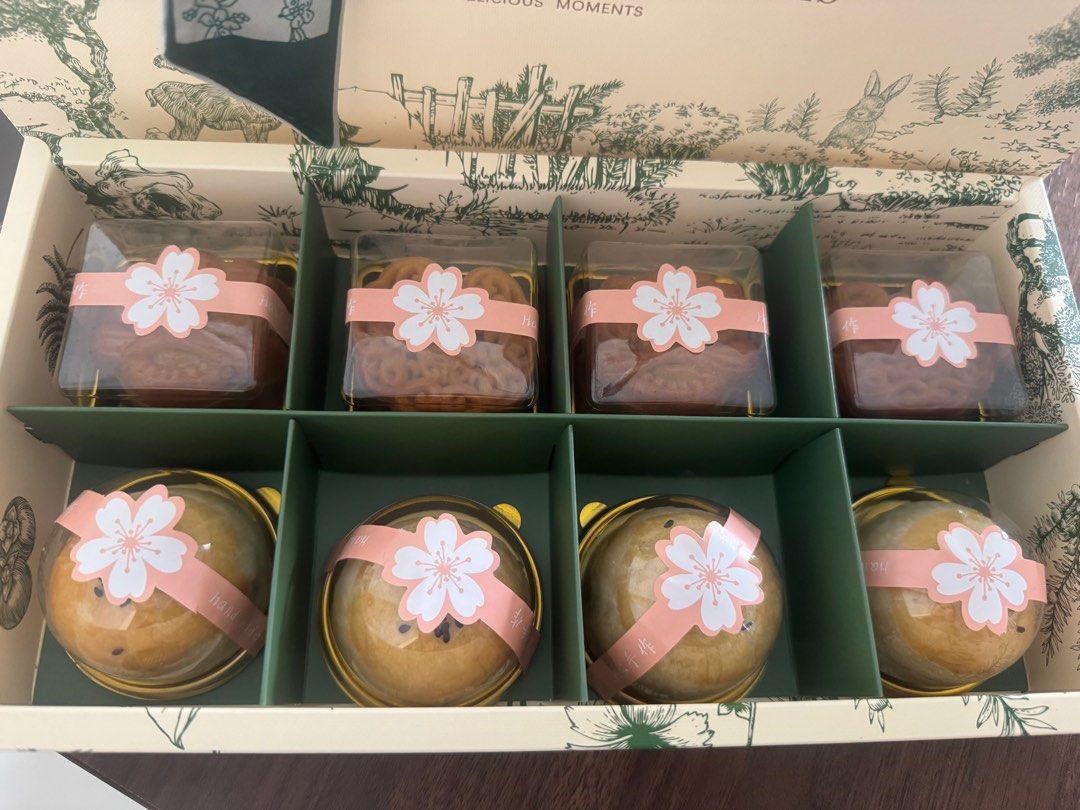
Strategies to Handle Sustainability Concerns
Source Responsibly
- Look for certifications such as Fair Trade, Rainforest Alliance, or Organic. Prefer local producers to cut down on transportation emissions. Support small‑scale artisans who often use traditional, low‑impact methods.
A simple check of a label can reveal whether a product’s journey aligns with your eco‑values.
Design with Longevity in Mind
A hamper that can be reused or repurposed reduces waste. Consider:
- Sturdy, refillable containers instead of single‑use plastic. Modular design that allows the recipient to add or replace items over time. Multi‑purpose accessories—a silk scarf that doubles as a gift wrap.
Think of your hamper as a “gift that keeps on giving,” not a one‑time splurge that ends up in the landfill.
Packaging That Packs a Punch
- Biodegradable or recyclable materials such as paper, cardboard, or hemp fibers. Minimalistic design reduces material usage while still feeling luxurious. Reusable embellishments—think wooden charms or metallic tags that can be swapped out for future gifts.
Remember, a beautiful wrapper is only as sustainable as the materials it’s made from.
Transparency and Storytelling
Share the journey of each item:
- Where it was grown, who grew it, and how it was made. Any certifications or ethical standards met. The impact of the purchase on the community or environment.
A compelling narrative turns gluten free hampers a simple hamper into an experience that educates and inspires.
Partnering with Ethical Producers
Collaborate with suppliers who prioritize sustainability:
- Zero‑waste production practices. Renewable energy usage in manufacturing. Transparent supply chains that can be audited.
By aligning with ethical partners, you amplify the positive impact of every hamper you create.
Practical Tips for the Everyday Curator
- Audit your current hamper ingredients for sustainability gaps. Swap out high‑impact items with greener alternatives (e.g., switch from conventional honey to wild‑flower honey). Use digital receipts to reduce paper waste. Encourage recipients to donate or recycle empty packaging. Offer a “sustainability score” on your website so customers can make informed choices.
These small tweaks can dramatically shift the overall footprint of your luxury hampers.
The Perfect Gift Awaits
In the end, handling sustainability concerns for luxury hampers isn’t about compromising on quality; it’s about elevating the gift‑giving experience to a higher ethical plane. By sourcing responsibly, designing for longevity, choosing eco‑friendly packaging, and telling the story behind each item, you create a hamper that feels as good on the planet as it does in the hands of the lucky recipient.
As the famed designer Stella McCartney once said, “Sustainability is not a trend; it’s a responsibility.” Embrace that responsibility, and let your luxury hampers become a testament to both indulgence and integrity.
Now, go ahead and curate a hamper that not only dazzles but also delights the Earth. Your guests—and the planet—will thank you.
